

Microneedling is one of those treatments that continues to stand out for a reason. It’s effective and works with your skin to improve texture, tone, and overall skin health. While the treatment itself is relatively simple, the science behind it is what makes it so effective.
By triggering the skin’s natural healing response, microneedling stimulates collagen and elastin production, improves skin texture, and helps address a wide range of skin concerns with minimal downtime.
What Is Microneedling?
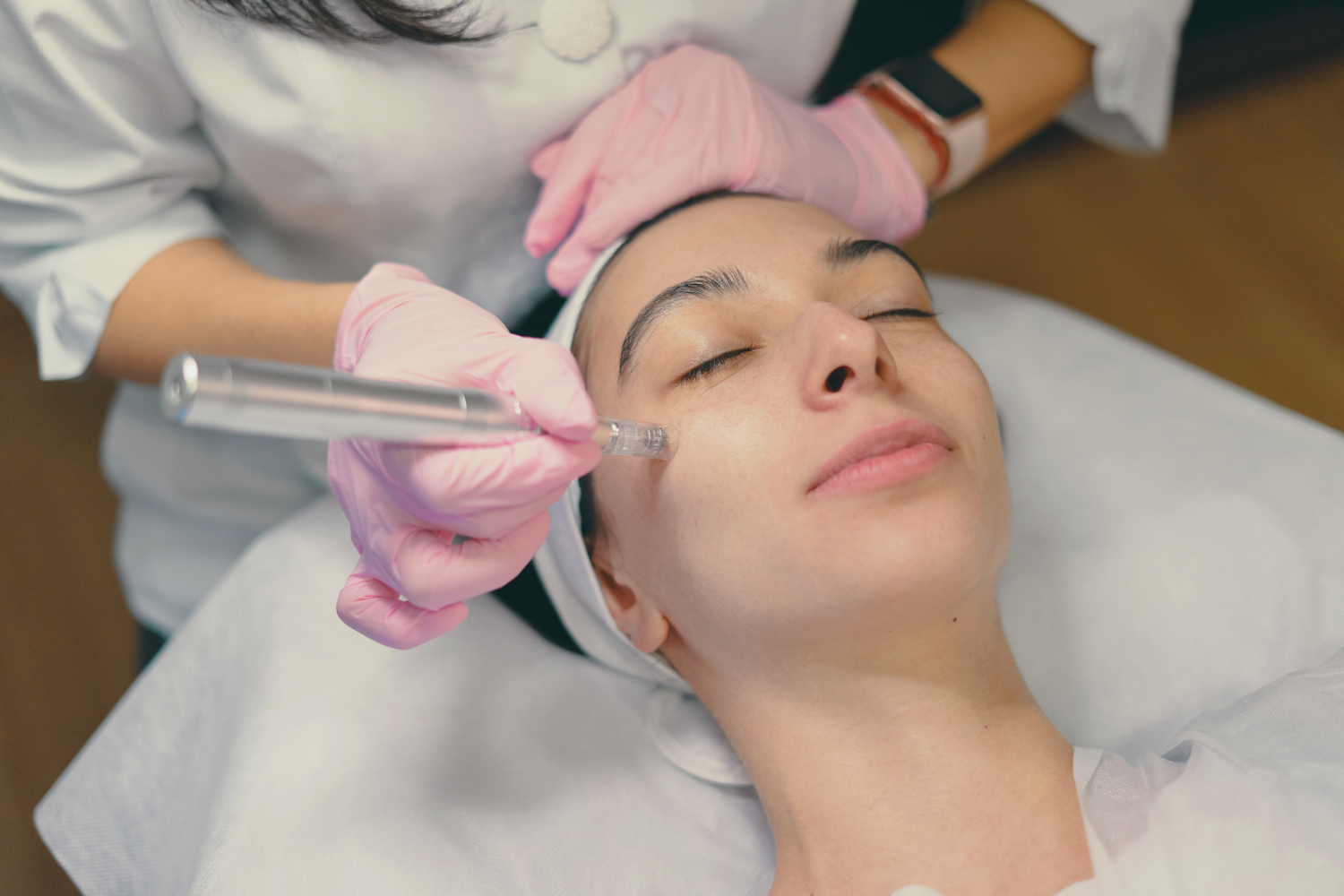
Microneedling is a minimally invasive skin treatment that uses a device with very fine, sterile needles to create controlled micro-injuries in the skin.
These microscopic channels stimulate the body’s natural repair process, which leads to increased production of collagen and elastin. Collagen is the structural protein that keeps skin firm and smooth, while elastin allows skin to stretch and bounce back.
As the skin repairs itself, new collagen forms and damaged tissue is replaced, leading to smoother, healthier-looking skin over time.
Microneedling is commonly used to improve:
- Fine lines and wrinkles
- Acne scars and other types of scarring
- Uneven skin texture
- Enlarged pores
- Hyperpigmentation and sun damage
- Mild skin laxity
Because the treatment works by stimulating your body’s own regenerative processes, results continue to improve for weeks after each session.
The Science Behind Microneedling
To understand why microneedling works so well, it helps to look at the skin’s natural healing process. When the skin experiences a controlled injury, the body activates a three-phase repair response.
1. Inflammation Phase
Immediately after microneedling, the body sends blood and immune cells to the treated area. This increases circulation and begins the healing process. Growth factors are released, signaling the skin to start repairing the microscopic channels created during treatment.
2. Proliferation Phase
During this phase, fibroblast cells begin producing new collagen and elastin fibers. These proteins rebuild the skin’s support structure and improve overall skin quality. New capillaries also form during this stage, which can improve circulation and give the skin a healthier appearance.
3. Remodeling Phase
Over the following weeks, the newly formed collagen matures and reorganizes within the skin. This process gradually strengthens the skin’s structure, improving firmness, texture, and elasticity. Because collagen production takes time, microneedling results often continue to improve for several weeks after treatment.
Microneedling and Product Absorption
Another benefit of microneedling is increased product absorption.
The microchannels created during treatment temporarily allow topical products to penetrate deeper into the skin. When applied immediately after microneedling, medical-grade serums and boosters can reach layers of the skin that topical products typically cannot access.
This can help enhance results by delivering ingredients such as peptides, growth factors, or hyaluronic acid directly into the skin during the healing process.
What to Expect During a Microneedling Treatment
Understanding the treatment process can help you feel more comfortable before your appointment.
Consultation
- Your treatment begins with a consultation with one of our Master Estheticians.
- During this visit, we evaluate your skin concerns and determine whether microneedling is the right option for your goals.
Preparation
- On treatment day, the skin is cleansed and a topical numbing cream is applied to keep you comfortable during the procedure.
Treatment
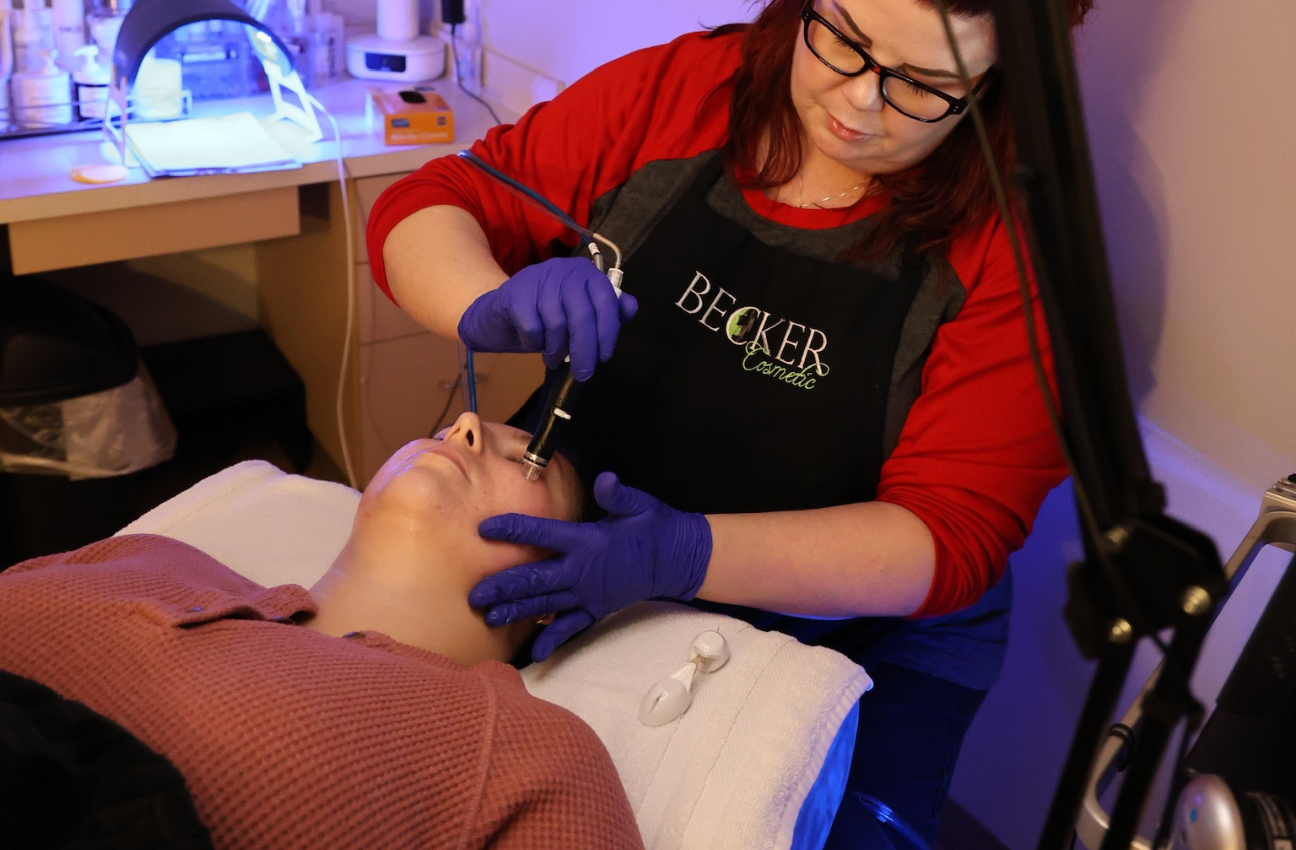
- A specialized microneedling device is used to create thousands of controlled microchannels in the skin. The depth of the needles can be adjusted depending on the treatment area and your skin concerns.
- Most microneedling treatments take about 30 minutes.
Aftercare and Downtime
- Following treatment, the skin may appear red and feel warm, similar to a mild sunburn. This typically improves within 24 to 48 hours.
- Mild swelling, dryness, or flaking may occur as the skin renews itself over the following days.
- Most clients return to normal activities within a day, though it is important to avoid sun exposure and use gentle skincare products while the skin heals.
Schedule Your Microneedling Consultation
Microneedling is one of the most effective ways to improve skin texture, stimulate collagen, and support healthier skin over time.
If you’re curious whether microneedling is right for you, call us at 360-625-5360 to schedule a consultation with one of our Master Estheticians and check out our current Spring Microneedling Special happening until June 30, 2026!
Frequently Asked Questions

Most people tolerate microneedling very well. A topical numbing cream is applied before treatment to keep you comfortable.
Most clients experience redness similar to a mild sunburn for 24 to 48 hours.
Many people notice brighter skin within days, with continued improvement in texture and firmness over several weeks as collagen develops.
Microneedling is considered safe for most skin types and tones when performed by a trained professional.
Yes. Microneedling is often combined with boosters or other treatments to enhance results and address specific skin concerns.
While some people notice improvement after one treatment, microneedling works best as a series. For most skin concerns, we recommend a series of three to four treatments spaced about four weeks apart. A treatment series allows collagen production to build gradually and produces more noticeable improvement in skin texture, tone, and overall skin health. Maintenance treatments once or twice per year can help sustain results.