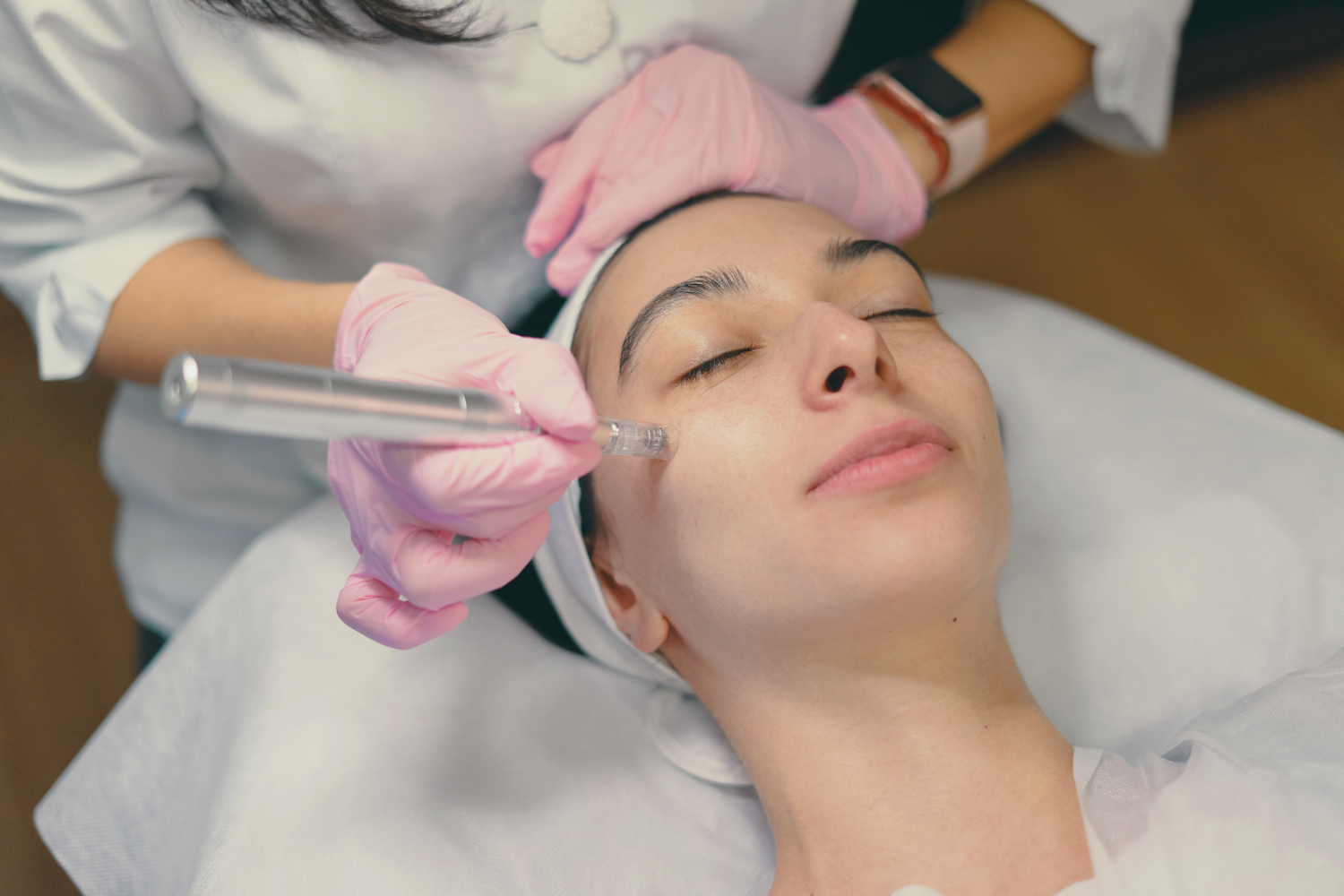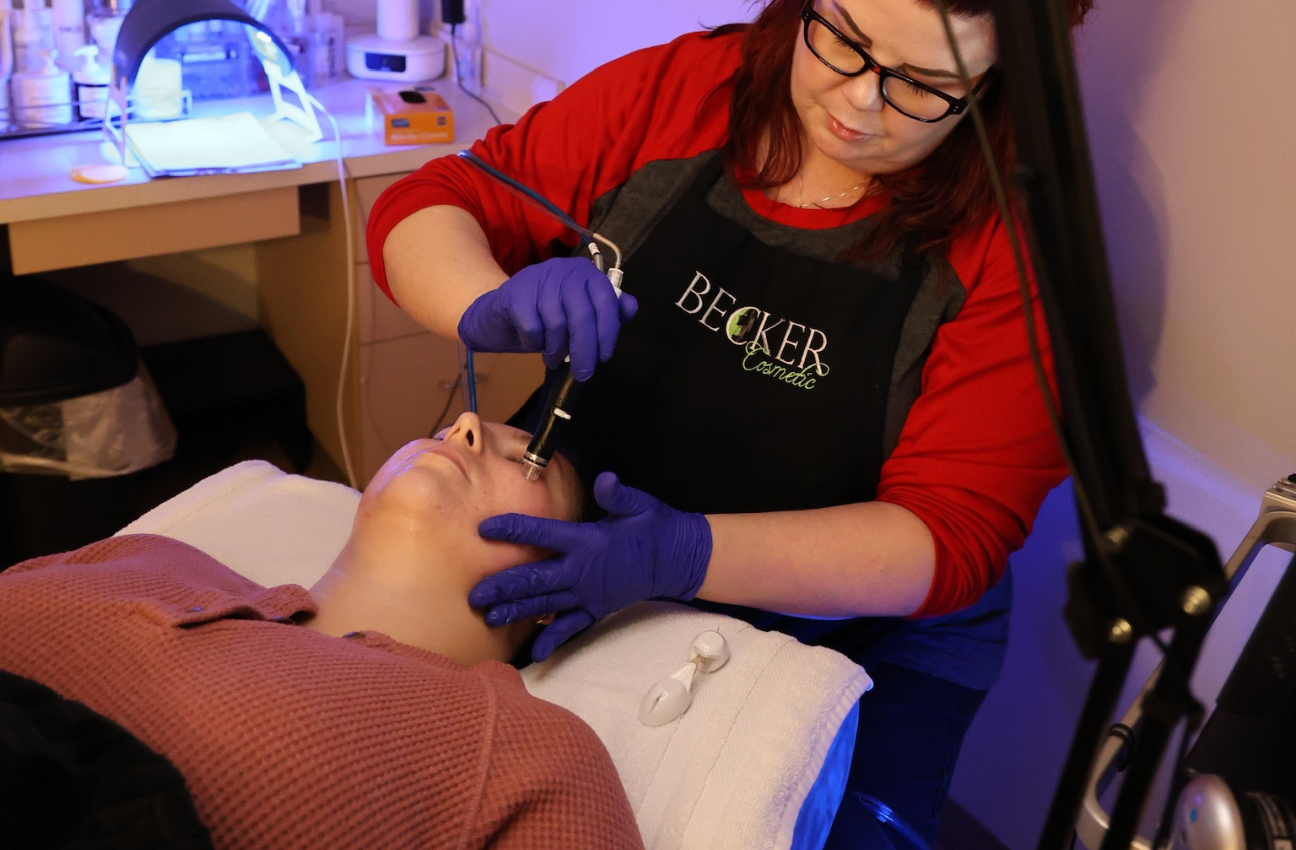


Beautiful skin starts deeper than what you can see on the surface. While facials and professional skincare can do incredible things for your complexion, Moxi takes skin renewal a step further. This gentle laser works beneath the surface, targeting water within the skin’s cells and encouraging your body’s natural renewal process.
We like to think of it almost like a deep cleaning for your skin. Instead of simply polishing the surface, Moxi helps your skin clear away damaged, dull cells and replace them with fresh, healthy-looking skin.
The result? Brighter tone, smoother texture, and a refreshed complexion, but there’s more to Moxi than the glow you see in the mirror.
How Moxi Works
Moxi is a gentle, non-ablative fractional laser designed to improve early signs of sun damage and aging without the downtime associated with more aggressive laser resurfacing.
During treatment, Moxi delivers controlled laser energy into tiny sections of the skin. This creates microscopic treatment zones while leaving the surrounding skin intact, triggering your skin’s natural healing and renewal process.
In the days following treatment, you may notice that your skin develops a slightly rough, sandpaper-like texture. This is part of the renewal process as treated cells make their way to the surface and naturally slough away.
As that process takes place, fresher-looking skin is revealed underneath.
Moxi can help improve the appearance of:
- Sun damage and unwanted pigmentation
- Uneven skin tone
- Rough or uneven texture
- Fine lines and early signs of aging
- Dullness
- Overall skin clarity and radiance
Because Moxi is customizable, treatments can range from a lighter refresh to a more intensive resurfacing treatment depending on your skin and goals. It also requires relatively little downtime, making it an approachable way to incorporate laser treatments into your regular skincare routine.
Going Deeper Than Cosmetic Sun Damage
Not every spot or texture change is simply a cosmetic sign of aging. Actinic keratoses (AKs) and seborrheic keratoses (SKs) are two common examples that can sometimes look similar but are very different types of skin growths.
AKs are rough, scaly patches caused by cumulative UV exposure and are considered precancerous because a small percentage can progress to squamous cell carcinoma, if not treated. SKs, on the other hand, are benign, noncancerous growths that become more common with age.
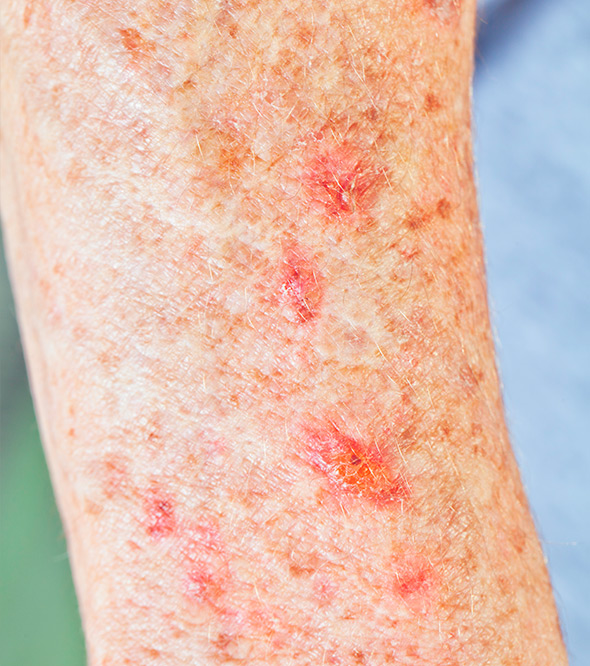
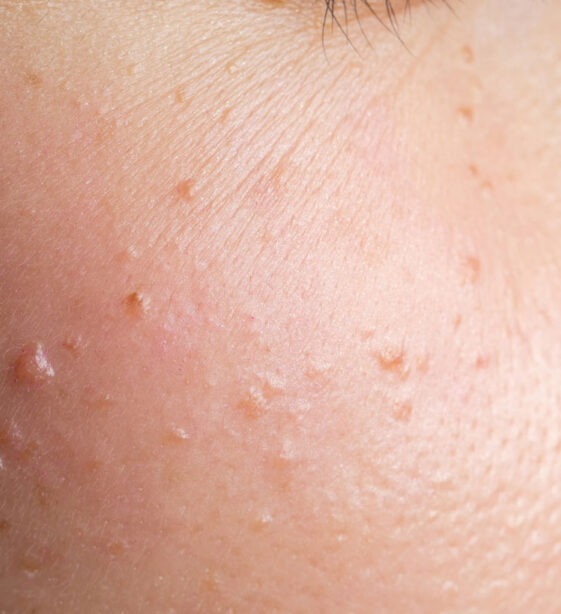
Because different skin conditions can resemble one another, it’s important to have new, changing, or concerning spots evaluated by a medical provider first. Once you know what you’re dealing with, your provider can recommend the right treatment plan.
In some cases, Moxi may be part of that plan. Its 1927 nm fractional laser technology encourages skin renewal and may be used to treat certain AKs and SKs while also improving surrounding signs of sun damage.
Moxi isn’t appropriate for every lesion, which is why proper diagnosis comes first. For us, it’s another reminder that caring for your skin goes beyond what you see in the mirror.
Make Moxi Part of Your Routine
Whether you want to address years of accumulated sun damage, smooth uneven texture, or simply take a more proactive approach to caring for your skin, Moxi can be a valuable addition to your long-term skincare plan. For appropriate clients, incorporating Moxi treatments twice a year may help reduce the risk of developing skin cancer within the treated area by up to 50%.
Schedule a consultation with Becker Cosmetic to find out if Moxi is right for you and how it can fit into your long-term skin health plan.
Frequently Asked Questions

Moxi is designed to offer skin renewal with relatively little downtime. Your skin may initially look pink or feel warm, and a rough or sandpaper-like texture can develop over the following days as treated skin naturally sloughs away. Your Becker Cosmetic provider will give you specific aftercare instructions based on your treatment.
There isn’t one schedule that works for everyone. Your ideal treatment frequency depends on your skin, the amount of existing sun damage, and your goals. Some clients may begin with a series of treatments and then incorporate periodic Moxi sessions into their long-term skincare routine.
Yes. Moxi is designed to address early signs of sun damage, including uneven pigmentation, tone, and texture. It can also be combined with BBL when multiple signs of sun damage are present.
BBL uses light energy to target visible pigmentation and redness and stimulates collagen, while Moxi is a fractional laser that focuses on resurfacing and renewing the skin. Depending on your concerns, your provider may recommend one treatment or use them together as part of a customized plan.
Moxi is highly customizable and can be used across a wide range of skin types and concerns, but the best way to know if it’s appropriate for you is through a consultation. Your Becker Cosmetic provider can evaluate your skin and recommend a treatment plan based on your individual needs.